

orbix TECHNOLOGY Highlights Blockchain as the Foundation of Trust, Driving Real-World Impact Across Government, Healthcare, and ESG
Blockchain technology is evolving beyond its origins as a financial innovation to become a Trust Infrastructure that securely connects data, digital identities, and real-world assets in a transparent and verifiable manner. This transformation is enabling governments and businesses to develop digital solutions that deliver tangible value and measurable business outcomes.
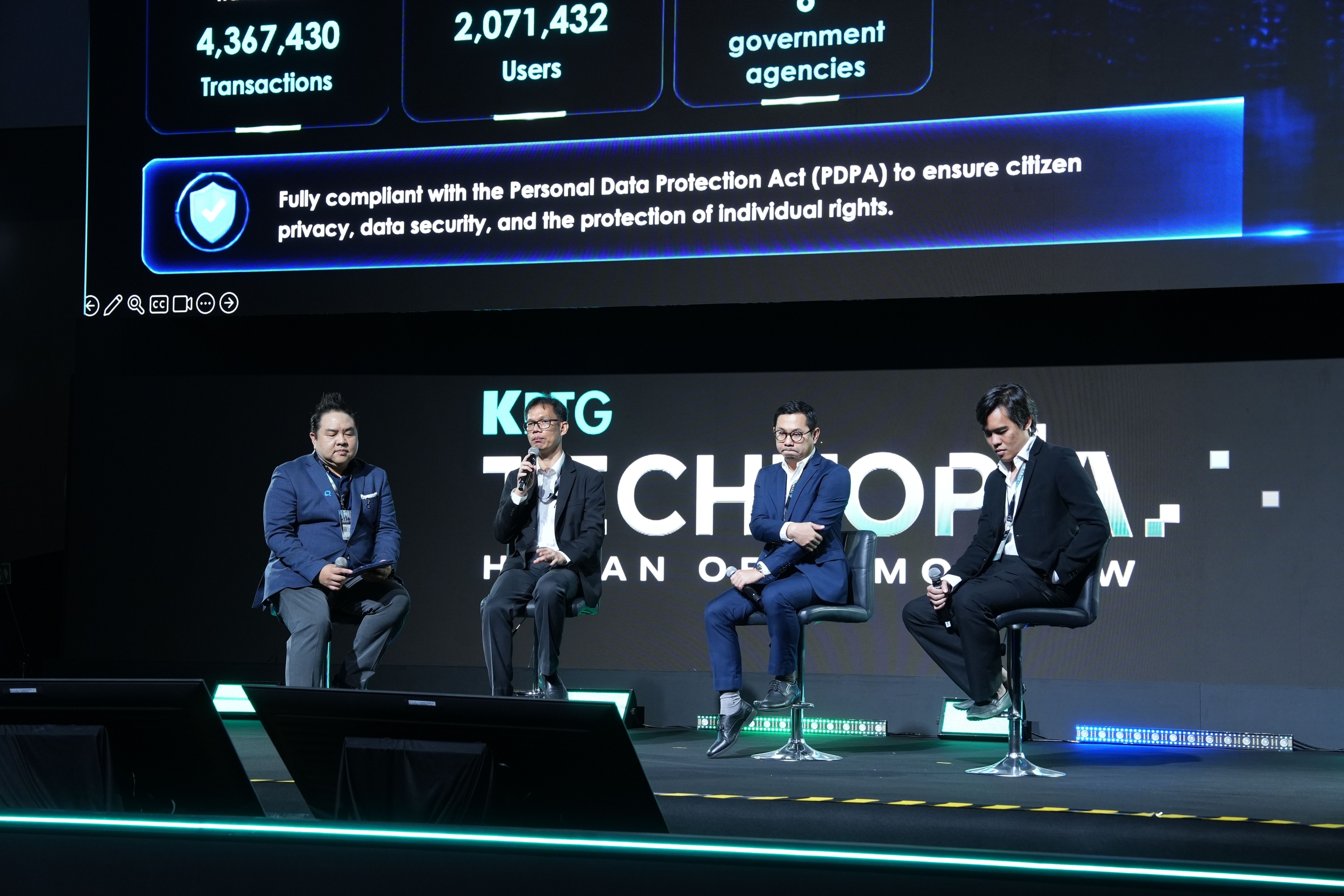
This vision was explored during a panel discussion at Techtopia 2026, where experts from both the public and private sectors shared perspectives on how blockchain can support digital government services, healthcare data management, and ESG initiatives through greater transparency, security, and trust.
From Data Wallets to Trust Infrastructure: Industry Leaders Envision Thailand’s Digital Future
As Thailand accelerates its digital transformation journey, blockchain is taking on a new role as a foundational layer for trusted digital ecosystems. Beyond financial applications, the technology is enabling transparent data governance, seamless public services, next-generation healthcare solutions, and sustainable business practices.
Dr. Asis Unyapoth , Deputy Executive Director of the Digital Government Development Agency (DGA), highlighted the potential of Data Wallets and Document Wallets as core digital infrastructure that empowers individuals to own, manage, and control their personal data. Through concepts such as Verifiable Credentials and Decentralized Identity, citizens can selectively disclose information while improving privacy, security, and convenience when accessing government services. This approach aligns with the principle of “My Data, My Consent,” placing citizens at the center of the digital ecosystem.
Dr. Suthat Ronglong, Co-CEO and Chief Technology Officer of Pi carbon, shared insights on leveraging blockchain to enhance the credibility and traceability of environmental data, particularly carbon footprint information. As sustainability and ESG reporting become increasingly important to business competitiveness, blockchain can provide transparent and tamper-resistant records across supply chains. This improves trust in ESG data, supports access to green financing opportunities, and helps organizations meet international sustainability standards. Carbon data, he emphasized, should be viewed not only as a compliance requirement but also as a strategic asset that can unlock new business opportunities.
In the healthcare sector, Dr. Dechowat Promda, Chief Executive Officer of HealthTAG, discussed the role of Health Data Wallets in enabling patient-centric healthcare. The solution allows individuals to manage their own health records and consent preferences, while enabling healthcare professionals to securely access critical information when needed. Blockchain also supports transparent audit trails, allowing organizations to monitor and verify data access. He advocated for a “Hybrid by Design” approach, combining traditional databases with blockchain technology to balance efficiency, security, and regulatory compliance. Importantly, he emphasized that successful blockchain adoption should begin with solving real business and user challenges rather than focusing solely on technology.
Building the Foundation for a Trusted Digital Economy
Concluding the discussion, Mr. Pisith Kulkanchanachewin, Managing Director of orbix TECHNOLOGY, stated that a sustainable digital economy requires a strong Trust Infrastructure capable of securely connecting data, digital identities, and real-world assets in a transparent and verifiable way.
As the developer of Quarix, orbix TECHNOLOGY is committed to advancing blockchain adoption across government, healthcare, financial services, and ESG applications. Guided by its vision of “Blockchain for REAL, Blockchain for ALL,” the company aims to accelerate real-world blockchain adoption and contribute to the long-term growth of Thailand’s digital economy.
Latest Blogs